Ba’s Book (Duong, 2026) - LFF ‘26
It is one thing to take a memoir and recreate the story as a fictionalized version of the truth. It is something completely different to take the pain and memories and present them to the subject and his family in a recreational exercise. In Ashley Duong’s Ba’s Book, she takes her father Ba’s memoir — a novel he wrote indirectly for her — and through the hiring of actors, the return home, and a long process, presents Ba’s story to the audience in a refreshing way.
Anh Duong escaped the troubles that Vietnam had him facing, only to find himself in Canada away from his extended family. Years later, he finds himself with a wife and two children. But his daughter Ashley is a wonderer, and she longs to find out more about her family history. After Anh writes a memoir in the form of letters for Ashley, she takes this as a chance to heal her family and find out the history she has always longed for.
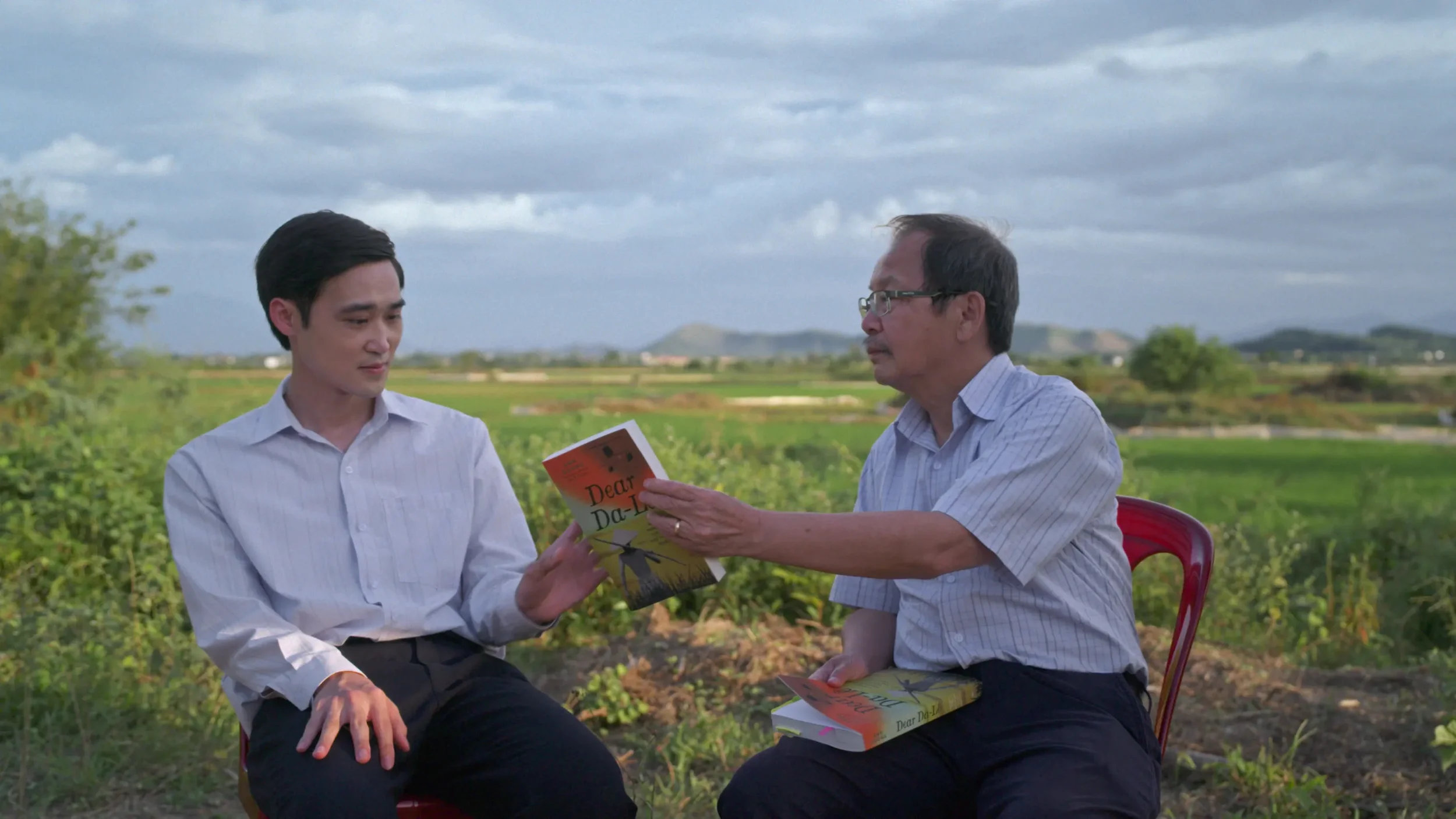
Taking her father’s book, Dear Da-Lê: A Father’s Memoir of the Vietnam War and the Iranian Revolution, Ashley fully investigates each sentence of what her father wants to say. Where she dives deep is in the fact that she believes there are emotions missing. Of course, she knows not of what her father personally went through, but she loves him enough to know there were things there he could not say.
As Ba’s Book begins, you are not straight away aware of what on screen you are going to witness. Duong quickly changes the pace for a documentary and makes it more of a recreation instead. In her decision to do this, she adds an additional element to a documentary. Taking it above and beyond what audiences expect, Duong takes her family through her father’s memories as she hires actors to replay specific events from his past.
It is surprising and yet somehow comforting this new way of documenting a memoir in film. So many documentaries either simply tell the story through archive footage or with live filming of what they document. Duong instead changes the format entirely. A refreshing view on a family tale and through this gives her family the chance to reconcile and understand. Something for everyone, and even more emotional with the reactions of each member.
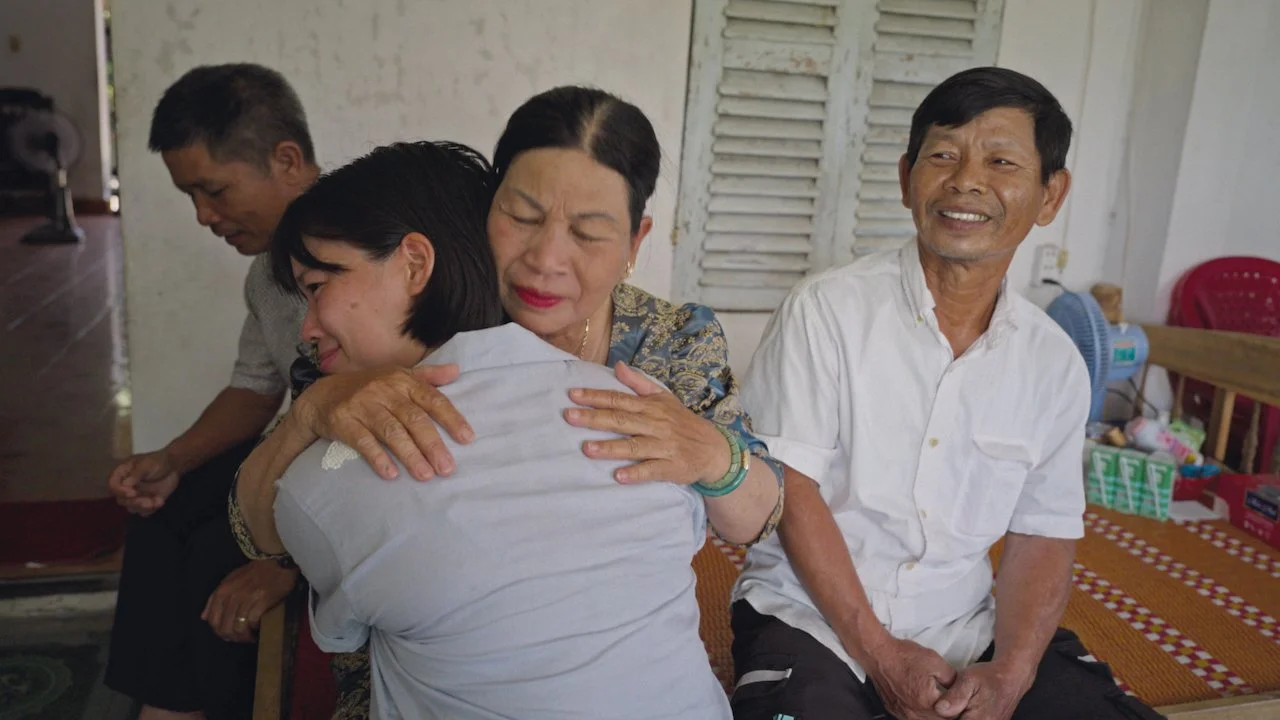
There are multiple perspectives filmmakers can take when approaching a documentary film. Duong has the best one: Unique, visionary and with the aim of love and healing her family at heart. Ba’s Book finds itself in no need to worry of bias when the context itself is about helping her father and his extended family reunite and understand their past traumas. A family film in every sense. As we follow the lot of them on their path to a new beginning through reconciliation and understanding.
Without giving too much away, filmmaker Ashley Duong’s latest feature is gut wrenching and heartfelt in all the right ways. No one member of the family knows what will be revealed and the audience therefore gets to follow the same journey as they do. Never knowing what will occur next, the unknown is what makes it all the more worthwhile. Yes, of course, we can hope for a happy ending to the current story’s path. But perhaps it becomes more of what this new path can bring for their future that is more important than pure joy.
A dark past, familial and generational trauma, Duong works through all these issues with her father and family to help them get to a better place. In a reunion and road trip documentary — both through time and physically as well — Ba’s Book is more than a tale, it is a journey. One that will be inspirational for generations to come. Those viewers who had the chance to see her piece at the Toronto International Film Festival or London Film Festival this fall should truly never feel the same. Any others, who are willing to take a leap of faith, should prepare themselves for when they get the chance to see Ba’s Book on the big screen.